

 21 Oct
Radiology, often considered the “eye” of medicine, plays a pivotal role in diagnostics. It’s a field where precision meets passion. As medicine continues to advance, radiologists remain at the forefront, using innovative techniques to enhance patient care. Let’s dive deeper into the journey of becoming a radiologist.
A radiology residency, much like any other medical residency, is a mix of intense learning, real-time practice, and continuous adaptation.
A Day in the Life of a Radiology Resident
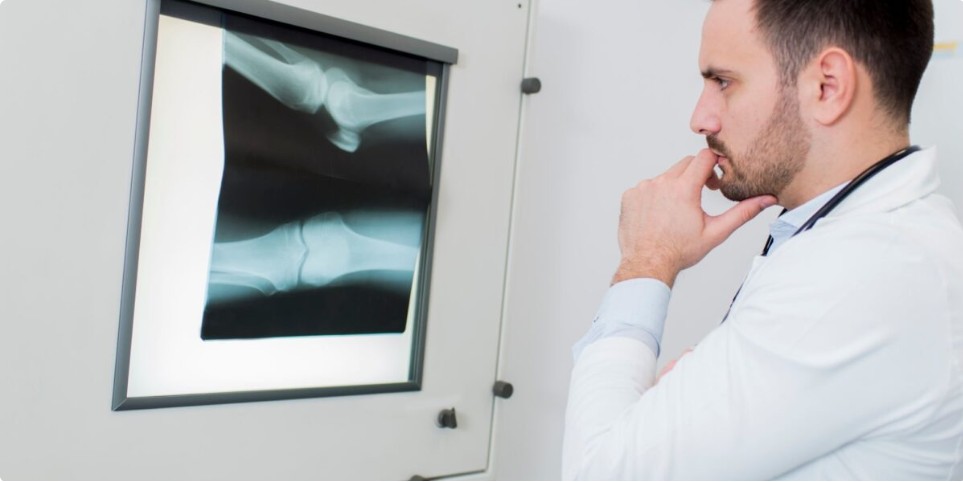
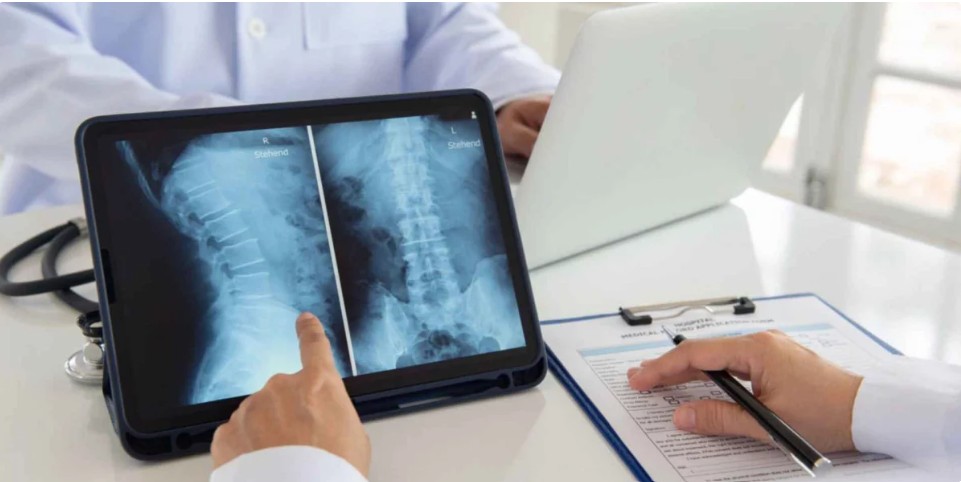
Starting with early morning rounds, a resident is engulfed in a whirlwind of X-rays, MRIs, CT scans, and patient interactions. Every scan tells a story, and it’s the radiologist’s responsibility to interpret it accurately.
Key Skills Every Radiologist Should Master
Beyond the technical know-how, radiologists must develop excellent communication skills, keen observational abilities, and an ever-curious mind.
The Evolution of Radiology: Historical to Modern Day
From the discovery of the X-ray to the advent of AI in imaging, radiology has come a long way. Modern tools and techniques have revolutionized this field, making diagnostics faster and more accurate.
Securing a spot in a renowned radiology residency program is no small feat.
Preparing for the Radiology Residency Interview
Research the program, prepare for behavioral questions, and showcase your genuine interest in the field.
Essential Documents and Prerequisites
From USMLE scores to letters of recommendation, ensuring you have all the required documentation is crucial.
Top Tips for a Successful Application
Stand out with a stellar personal statement, get involved in research, and network with current residents and faculty.
The curriculum is a blend of theory, hands-on practice, and research.
Understanding the Basics: First-Year Insights
First-year is primarily about grasping the basics of medical imaging and building foundational knowledge.
Delving Deeper: Advanced Procedures and Interpretations
As residents progress, they delve into sub-specialties, learning nuances and perfecting their interpretative skills.
The Significance of Continuous Learning and Research
Radiology is ever-evolving. Being abreast with the latest research and findings is not just beneficial—it’s essential.
It’s a demanding journey filled with its set of challenges.
Balancing Clinical Rotations and Studies
Juggling between clinical duties and academic commitments can be taxing.
Coping with Emotional and Physical Stress
Long hours, high expectations, and the emotional toll of patient cases can be overwhelming.
Embracing Technological Changes and Updates
Staying updated with the rapid technological advancements in imaging is both a challenge and a necessity.
Mentorship can shape a resident’s career trajectory.
Importance of Building Strong Relationships
Establishing a rapport with senior radiologists and mentors can open doors to opportunities and provide invaluable guidance.
Gaining Practical Experience through Shadowing
Shadowing experienced radiologists offers a firsthand view of the profession, from diagnostics to patient consultations.
Mentorship Success Stories: A Closer Look
Many accomplished radiologists credit their success to the guidance and support of their mentors.
An Insider’s Perspective: Radiology Residency Training Essentials
Navigating a residency program is a transformative journey, filled with ups and downs.
Navigating the Waters: Personal Experiences
From nerve-wracking first diagnoses to triumphant interpretations, the journey is a roller-coaster of emotions and experiences.
Valuable Lessons Learned from the Radiology Room
Every patient, every scan, and every interaction leaves an indelible mark, shaping the radiologist’s approach and perspective.
Life post-residency offers a world of opportunities and decisions.
Board Certification and Further Specializations
After residency, radiologists can further specialize, enhancing their expertise in specific imaging modalities.
The Job Market: Opportunities and Challenges
While opportunities abound, the competitive nature of the job market requires strategic planning and networking.
Building a Reputation in the Radiology Community
From publishing research to presenting at conferences, there are myriad ways to establish oneself in the radiology community.
What does a typical day for a radiology resident look like?
A typical day involves morning rounds, reviewing and interpreting scans, attending lectures, and engaging in patient consultations.
How long is a radiology residency program?
A radiology residency typically lasts for four years, following a year of internship.
Can radiologists further specialize after residency?
Yes, many radiologists pursue fellowships in areas like interventional radiology, pediatric radiology, or neuroradiology.
Is radiology a purely diagnostic specialty?
While diagnostics is a significant part, interventional radiologists also perform minimally invasive procedures using imaging guidance.
How has AI impacted the field of radiology?
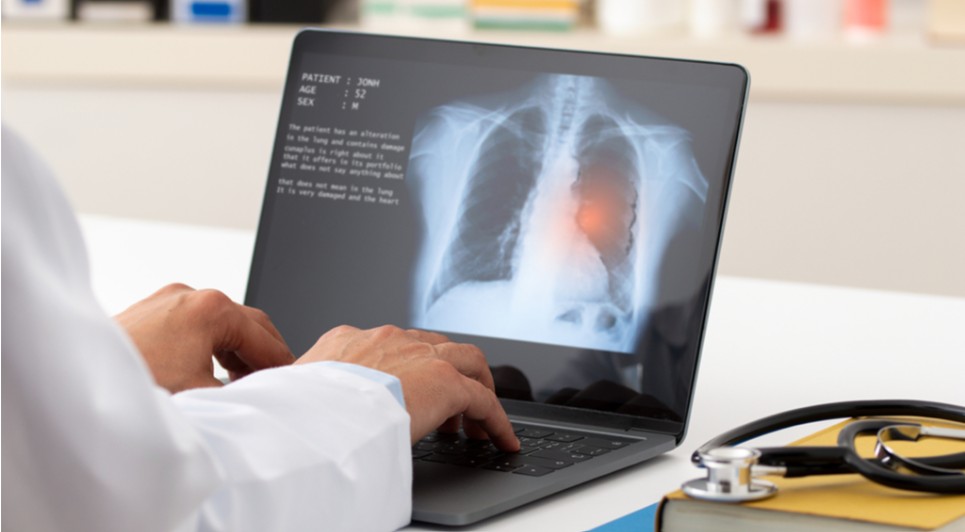
AI has introduced tools that assist radiologists in image interpretation, making the process faster and often more accurate.
What is the significance of continuous learning in radiology?
With technological advancements and evolving best practices, continuous learning ensures radiologists remain at the forefront of patient care.

Leave a Comment